Simple Pantry Staples for Cleaning the Farm Kitchen
A clean kitchen doesn’t require a cabinet full of chemicals. In a working farm kitchen, the most effective cleaners are often the simplest ones — the same staples that have been used for generations. They’re affordable, gentle on tools, and safe to use around food.
This approach isn’t about cutting corners. It’s about understanding what each ingredient does best and using it with intention.
Why Pantry Staples Work So Well
From-scratch kitchens tend to see more flour dust, oil splatter, fermentation residue, and everyday messes. Harsh cleaners can damage finishes, strip seasoning, and leave lingering odors. Pantry staples clean effectively without undoing the care you’ve already put into your tools.
They’re also versatile. A few basics can replace dozens of specialty products.
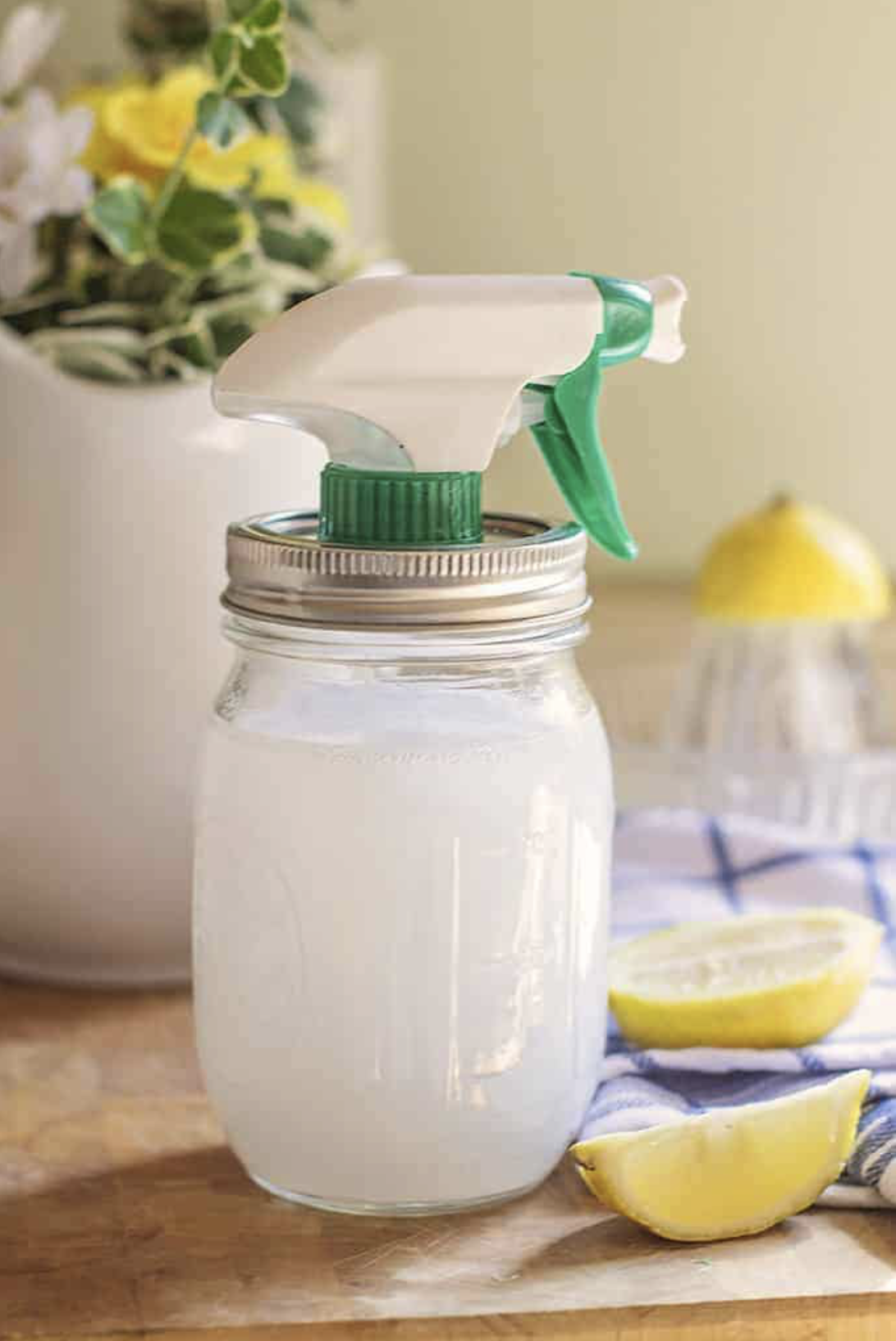
Baking Soda: The Gentle Workhorse
Baking soda is mildly abrasive, which makes it ideal for scrubbing without scratching.
Best uses:
Removing stuck-on food from enameled bakeware
Deodorizing bowls, containers, and refrigerators
Lifting residue from sinks and countertopsHow to use it:
Sprinkle directly onto the surface and scrub with a damp cloth, or
Make a paste with a few drops of water for tougher buildup
Baking soda is especially helpful in corners and seams where residue tends to hide.
Vinegar: Cutting Grease & Mineral Buildup
Vinegar is acidic, which makes it excellent for breaking down grease and mineral deposits.
Best uses:
Removing hard water stains from kettles and sinks
Brightening white or light-colored enamel
Cleaning glass and stainless steel surfaces
How to use it:
Dilute with water for everyday cleaning
Use straight for stubborn mineral buildup, then rinse well
Because of its acidity, vinegar should be used sparingly on sensitive surfaces and never left to sit for long periods.Salt: Scrubbing Without Scratching
Salt is one of the oldest cleaning tools in the kitchen. Its coarse texture provides just enough grit to loosen food without damaging surfaces.
Best uses:
Scrubbing cast iron
Cleaning wooden cutting boards
Removing residue from pans without stripping seasoning
How to use it:
Sprinkle salt directly onto the surface
Scrub with a cloth, sponge, or brush
Rinse and dry thoroughly
Salt is especially useful when water alone isn’t enough, but harsher abrasives would be too much.
Lemon: Natural Brightener & Deodorizer
Lemon brings both acidity and freshness to kitchen cleaning.
Best uses:
Neutralizing odors on cutting boards
Brightening stained surfaces
Freshening sinks and garbage disposals
How to use it:
Rub half a lemon directly on the surface
Pair with salt for deodorizing wood boards
Rinse and dry after use
Lemon leaves behind a clean, fresh scent without artificial fragrances.
What Not to Do: Mixing Ingredients
While these staples are powerful on their own, they should be used separately.
❌ Do not mix vinegar and baking soda for storage
❌ Avoid combining ingredients unless you understand the purpose
When mixed, vinegar and baking soda neutralize each other, reducing their effectiveness. Used individually, each shines.Creating a Simple Farm Kitchen Cleaning Rhythm
You don’t need to clean everything the same way.
Use baking soda for scrubbing
Reach for vinegar when you see mineral buildup
Keep salt handy for pans and boards
Finish with lemon for freshness
This simple rhythm keeps your kitchen clean without unnecessary wear on your tools.
A Farm Kitchen Mindset
Simple tools. Simple care. A farm kitchen doesn’t need to sparkle like a showroom — it needs to be clean, functional, and ready for the next meal. When we rely on pantry staples, we clean with intention, preserve our tools, and keep the heart of the kitchen focused where it belongs: feeding our homes well.
